Can You Pay Off Chapter 13 Bankruptcy Early?
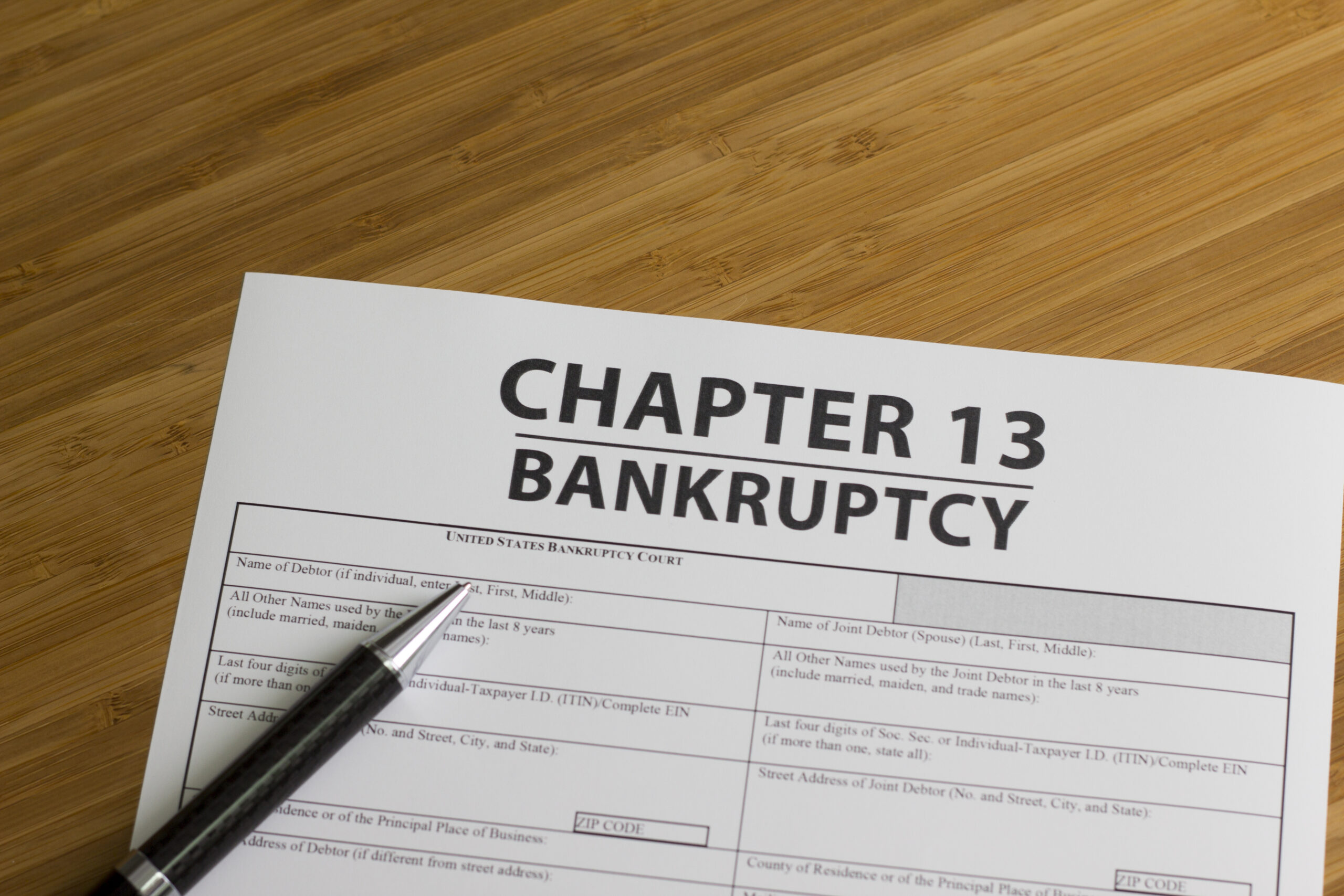
Whether you came into money partway through a Chapter 13 plan or simply want the case behind you, the same question comes up: can you pay off Chapter 13 bankruptcy early and be done? Sometimes. A Chapter 13 plan is a court-supervised repayment plan set to last three to five years, and federal law lets it end ahead of schedule only in narrow situations. A larger check to the trustee, the official who collects plan payments, does not do it by itself.
How a Chapter 13 Plan Can End Early
The first path is paying your unsecured creditors in full. Unsecured debts, like credit card balances and medical bills, are not tied to property a lender can take back. Under Section 1325(b)(4) of the Bankruptcy Code, a plan can end before its required length only if those debts are paid in full. The required length is three years if your household income is below the Texas median, the midpoint income for a household your size, and five years if it is at or above it.
The full balance of those debts can be far more than the payments left on your Chapter 13 repayment plan. For example, if a plan was set to pay 20% of $40,000 in unsecured debts, ending it early would generally mean paying the full $40,000, not just what remains of the $8,000.
The second path is a hardship discharge. A discharge is the court order that releases you from the legal duty to pay the debts it covers, and a hardship discharge grants it early to someone who cannot finish the plan. Under Section 1328(b), the court may grant one, after creditors are notified and a hearing is held, only if all three of these conditions are met:
- The debtor cannot finish because of circumstances they should not fairly be held responsible for
- Unsecured creditors have already received at least what they would have gotten in a Chapter 7 case, a type of bankruptcy where a trustee sells property the law does not protect
- Changing the plan instead would not be practical
For example, someone who became permanently unable to work after a serious injury, and who has already paid creditors at least as much as a Chapter 7 sale would have, could ask for a hardship discharge.
If you want to know how to get out of Chapter 13 early without finishing the plan, Section 1307 offers two more options. The first is converting the case to Chapter 7, which you can do at any time. Chapter 7 has no repayment plan, and most remaining unsecured debts are wiped out within a few months. Someone whose income dropped after a job loss might convert, as long as they now qualify for Chapter 7, which depends partly on income.
The second option is asking the court to dismiss, or close, the case, unless it was converted from another chapter. A dismissal ends the plan and the court’s protection from creditors but leaves your debts in place, so collection can start again.
Why an Early Payoff Requires a Plan Modification
An early payoff happens through a request to modify, or change, the confirmed plan, meaning the plan the court already approved. That request works like this:
- Timing: Under Section 1329(a), a modification can be requested after the plan is approved and before the last payment is made.
- Who can ask: The debtor, the trustee, or an unsecured creditor can request it.
- What can change: The court can change payment amounts on a group of debts and shorten or extend the plan.
In Chapter 13, property you receive after filing, including an inheritance, generally becomes part of the bankruptcy estate, the pool of property the case covers, under Section 1306. For example, if you inherit $30,000 in the second year of your plan, the trustee or an unsecured creditor may ask the court to change the plan so more of that money goes to creditors. Money spent or given away before the plan is changed can be hard to undo, which is why the source and timing of the funds matter before anything moves.
What Happens When Your Chapter 13 Is Paid Off?
Once you complete every plan payment, the court grants your discharge. The discharge follows the final payment, not a date on the calendar, so finishing early can bring it sooner.
Before it is granted, most people must complete a short course on budgeting and managing money, and anyone who owes court-ordered support, such as child support or alimony, must confirm in writing that the payments due have been made. Some debts survive the discharge, so it helps to know which debts bankruptcy can discharge.
Does Paying Off Early Remove the Bankruptcy From Your Credit Report?
No. Under Section 1681c(a)(1) of the Fair Credit Reporting Act, a credit reporting company, such as Equifax, Experian, or TransUnion, may report a bankruptcy for up to ten years from the date the case was filed, not the date the plan ends. Federal law does not provide a way of removing a bankruptcy from your credit report early, and its limited exceptions for large loans, insurance policies, or high-paying jobs allow longer reporting.
An early payoff does not shorten that window, but how bankruptcy affects your credit score depends on more than those dates alone.
Talk to a Lawyer Before You Pay Off Chapter 13 Bankruptcy Early
Wanting your Chapter 13 case behind you after years of payments is understandable, and the timing of what happens next matters. At Pelley Law Office, our bankruptcy attorneys, including former bankruptcy trustee Richard A. Pelley, handle Chapter 13 cases from offices in Dallas, Plano, and Sherman.
Contact Our Texas Bankruptcy Law Firm For Help Today
If you’re facing bankruptcy in Texas, we’re here to help. Contact the experienced bankruptcy lawyers at Pelley Law Office, L.L.P., today to schedule a free consultation.
We proudly serve Plano, Dallas, Sherman, and the surrounding areas.
Pelley Law Office L.L.P. – Plano Office
Address: 1312 14th St, Plano, TX 75074
Phone: (972) 608-0335
Hours: 24/7
Our firm is located near you. Find us with our GeoCoordinates: 33.0180322,-96.6952916,863
Pelley Law Office L.L.P. – Sherman Office
Address: 905 N Travis St, Sherman, TX 75090
Phone: (903) 813-4778
Hours: 24/7
Our firm is located near you. Find us with our GeoCoordinates: 33.6445846,-96.6113141,857
Schedule Your Free Consultation Right Now
Quit wasting time and making your situation worse by hoping your legal problems will go away on their own. They will not. Pick up your
phone and call us right now at 214-560-1919, or email us. Our experienced attorneys are ready to explain your options at a free
consultation. Why would you wait?
Locations
A Free Consultation
Fields Marked With An * Are Required

© Copyright 2026 Pelley Law Office, L.L.P.. All Rights Reserved.
