Texas Self-Defense and Stand Your Ground Laws Explained
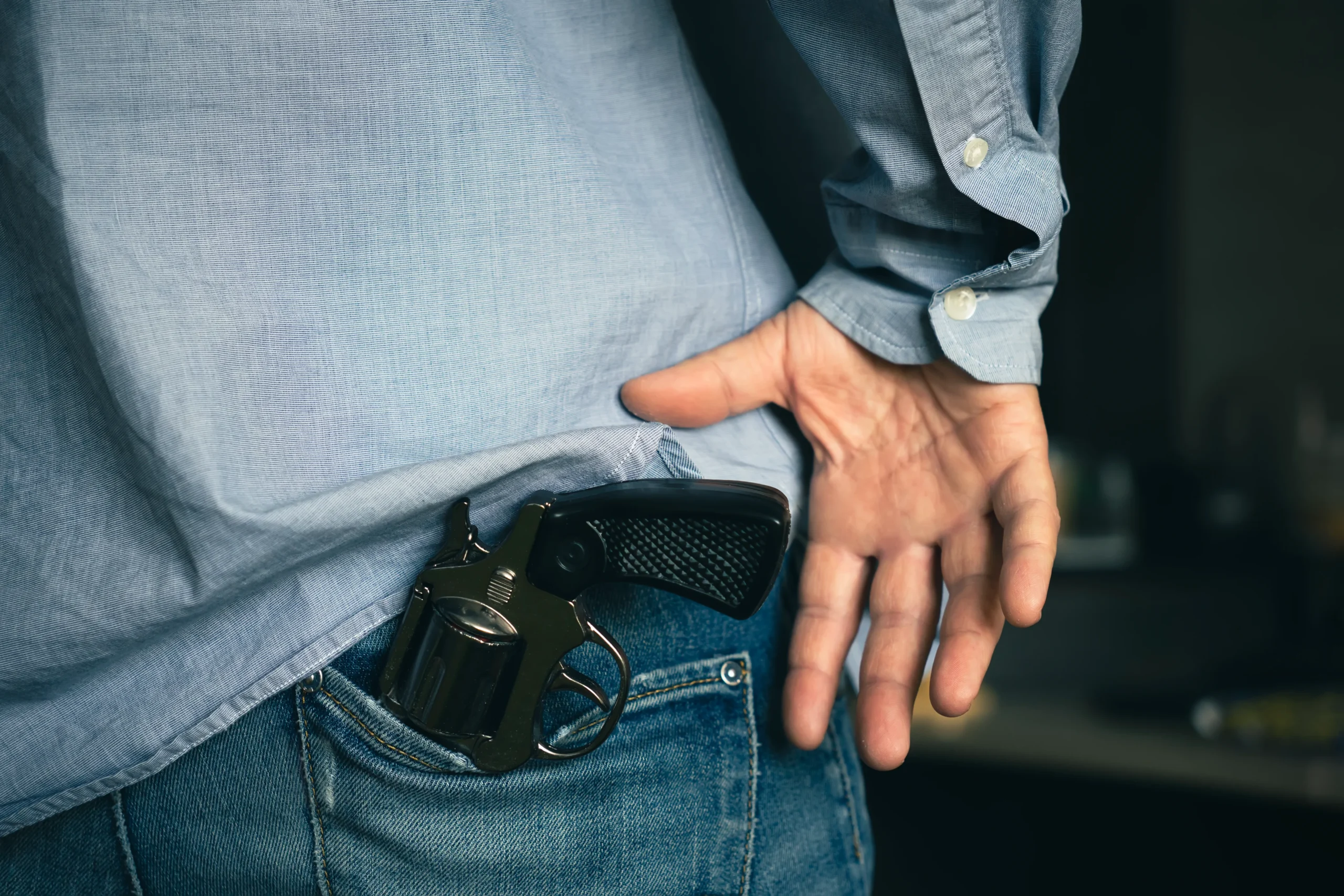
In Texas, you are not required to retreat before defending yourself. Texas self-defense and stand your ground laws grant individuals the right to use force to protect themselves, others, and their property without an obligation to retreat. If you or someone you know is facing criminal charges after acting in self-defense, understanding what these protections cover and how they apply can affect the outcome of a case.
What Is the Texas Stand Your Ground Law?
The Texas stand your ground law is part of the state’s self-defense statute, Texas Penal Code § 9.31, which provides that a person is justified in using force against another when they reasonably believe that force is immediately necessary to protect themselves from the other person’s use or attempted use of unlawful force. Critically, Texas law removes any duty to retreat before using force in a place where you have a legal right to be. This means that if you are lawfully present in a location and face a threat, you are not required to attempt to escape before defending yourself.
To claim self-defense under Texas law, the force used must be proportional to the threat faced. Using deadly force in response to a minor, non-threatening situation would not qualify for protection under this statute.
The Texas Castle Doctrine
The Texas castle doctrine extends self-defense protections specifically to a person’s home, vehicle, and workplace. Under Texas Penal Code § 9.32, a person is presumed to have acted reasonably when using deadly force against someone who is unlawfully and forcibly entering, or attempting to enter, their habitation, vehicle, or place of business. The presumption of reasonableness shifts the burden in a legal proceeding, meaning the law presumes the force was justified unless the prosecution can demonstrate otherwise.
The castle doctrine applies in situations including:
- Someone forcibly breaking into or attempting to enter your home
- An intruder attempting to remove you from your home, vehicle, or workplace by force
- Someone committing or attempting to commit aggravated kidnapping, murder, sexual assault, robbery, or aggravated robbery on your property
The castle doctrine does not apply if the person using force provoked the intruder or if the person entering the property had a legal right to be there.
When Deadly Force Is Justified in Texas
Outside of the castle doctrine, Texas law permits the use of deadly force when a person reasonably believes it is immediately necessary to protect themselves or a third party. Under Texas Penal Code § 9.32, deadly force may be justified to prevent serious crimes, including:
- Murder or aggravated kidnapping
- Sexual assault or aggravated sexual assault
- Robbery or aggravated robbery
- Unlawful entry into a habitation with intent to commit a felony
Texas law also permits deadly force to protect a third party under the same conditions, meaning you may be legally justified in using force to defend someone else facing an imminent threat of serious harm.
Is Pepper Spray Legal in Texas?
Yes, pepper spray is legal in Texas for self-defense purposes. Texas Penal Code § 46.01(14) exempts “small chemical dispensers sold commercially for personal protection” from the state’s restrictions on chemical dispensing devices. These are traditionally four ounces or less, and are the type of pepper spray products available at most retail stores. Carrying a larger dispenser outside that category can lead to potential criminal liability. Adults 18 and older with no felony or assault conviction may carry a qualifying pepper spray product for personal protection.
What Happens After You Raise a Self-Defense Argument?
After you raise a self-defense claim in Texas, the burden shifts to the prosecution to disprove it beyond a reasonable doubt. The jury will weigh the evidence to determine whether your belief that force was necessary was reasonable given the circumstances. Factors like witness testimony, surveillance footage, physical evidence, and the sequence of events all play a role in how that determination is made.
When Self-Defense Claims Get Complicated
Most self-defense claims are not straightforward. Prosecutors often challenge whether the threat was truly imminent, whether the force used was proportional, or whether the person claiming self-defense actually provoked the confrontation. Prior relationships between the parties, witness accounts, physical evidence, and surveillance footage can all affect how a self-defense claim holds up.
If you are facing charges after acting in what you believed was self-defense, the outcome depends heavily on how the specific facts of your encounter are presented and challenged. Criminal defense attorneys familiar with Texas self-defense laws can evaluate the evidence, identify weaknesses in the prosecution’s case, and build the strongest possible argument on your behalf.
Talk to Pelley Law Office About Your Case
Texas self-defense laws offer strong protections, but asserting them effectively in court takes preparation and legal knowledge. At Pelley Law Office, our team is ready to help you understand your rights and fight for the outcome you deserve. Schedule a free consultation or call (214) 560-1919 to speak with our team today.
Schedule Your Free Consultation Right Now
Quit wasting time and making your situation worse by hoping your legal problems will go away on their own. They will not. Pick up your
phone and call us right now at 214-560-1919, or email us. Our experienced attorneys are ready to explain your options at a free
consultation. Why would you wait?
Locations
A Free Consultation
Fields Marked With An * Are Required

© Copyright 2026 Pelley Law Office, L.L.P.. All Rights Reserved.
