What Happens if the Victim Refuses to Testify in a Violent Crime Case?

Victims’ testimony is a key part of the legal process in violent crime cases. When victims testify, they share their personal experiences of the incident, which can greatly impact the case’s outcome. Their words help establish what happened and support the pursuit of justice. However, deciding to testify can be difficult, as victims might feel scared, worried about revenge, or face other personal issues. Despite these challenges, victims’ testimony is important for building a strong case against the accused and ensuring fairness in the legal process.
At Pelley Law Office, our Plano criminal defense attorneys understand the complicated emotions tied to such circumstances and are here to provide clarity and support. Our team is well-versed in handling cases where victim testimony is not forthcoming. We recognize that each case is unique and requires a tailored approach to ensure justice is served. Whether you’re concerned about the potential outcomes, the legal process, or how to protect your rights, we offer practical solutions and guidance. Our commitment is to help you with these challenges calmly and confidently, ensuring your case is handled with the utmost care and professionalism.
If you need legal assistance or have questions about how a victim’s refusal to testify might impact your case, don’t hesitate to reach out to the Pelley Law Office. Call us today at 972-608-0335 for a free consultation.
Can a Victim Refuse to Testify?
Victims of violent crimes do have the right to refuse to testify, but this decision can carry significant legal implications. While the victim’s testimony is often pivotal, their refusal does not necessarily halt the prosecution. In many jurisdictions, such as Texas, the legal system permits the prosecution to move forward even without the victim’s active participation. This ensures that justice can still be pursued, irrespective of the victim’s decision.
In domestic violence cases, domestic violence victims might also be coerced by their abusers into refusing to testify, further complicating their situation and impacting the victim’s cooperation. Prosecutors can rely on other forms of evidence to build a strong case against the alleged abuser, ensuring that the criminal case does not solely hinge on the victim’s cooperation.
Why Might a Victim Refuse to Testify in a Violent Crime Case?
Consider a violent crime case where the victim, Alex, has been assaulted during a robbery. Despite the severity of the attack, Alex chooses not to testify against the person accused of the crime. This decision may stem from fear of retaliation, emotional distress, or concerns about personal safety. Many victims in violent crime cases, like Alex, often feel intimidated or worried about coming forward, leading them to refuse to testify.
The reasons behind a victim’s refusal to testify are varied and complex. Common factors that influence their decision include:
- Trauma
- Fear of retaliation
- Financial hardship
- Stress
In such a case, the district attorney’s office might still proceed with the criminal case without Alex’s testimony. Prosecutors can rely on other evidence, such as police reports, medical records, and statements from officers or witnesses who saw the incident. They might also use physical evidence, like surveillance footage or forensic evidence from the crime scene.
Even if Alex does not testify, the legal system aims to hold the accused accountable. However, without Alex’s cooperation, proving the case becomes more challenging. The defense lawyer might argue that the lack of victim testimony introduces doubt, which could result in the accused being found not guilty or facing reduced charges. In some jurisdictions, the prosecution can continue the case under policies that allow for the pursuit of justice, regardless of the victim’s participation.
What Are the Legal Rights of Victims in Testifying?
 Victims of violent crimes, including domestic violence, hold significant rights during legal proceedings. Understanding these rights can provide comfort and empowerment for victims.
Right to Be Subpoenaed
Victims may be subpoenaed to testify in court, which is a legal order compelling them to appear and provide testimony. However, being subpoenaed does not strip victims of their rights. They are entitled to be treated with respect and dignity throughout the process. If a victim is subpoenaed, they should receive clear information about the proceedings and what to expect, helping to alleviate some of the anxiety associated with testifying.
Right to Legal Counsel
Victims have the right to seek legal counsel to guide them through the legal process. Having an attorney can help ensure that a victim’s rights are protected and that they understand their role in the case. Legal counsel can also provide advice on how to handle subpoenas and what to expect during testimony, offering a layer of support and advocacy.
Protections Against Retaliation
One of the most crucial rights for victims is protection against retaliation. Legal systems often have measures in place to safeguard victims from threats or harm from the alleged abuser or their associates. This can include restraining orders or protective orders, which legally prevent the accused from contacting the victim. These protections aim to create a safer environment, allowing victims to participate in the legal process without fear of retribution.
State-Specific Laws
In Texas, victims’ rights can vary, and the state offers specific protections to support them during legal proceedings. For instance, Texas law allows victims the right to have a support person present during testimony, which can provide emotional reassurance. Additionally, Texas courts may permit remote testimony under certain circumstances to help reduce the stress of facing the accused.
Support and Resources
Victims are often entitled to access support services, such as counseling or victim advocacy programs, to help them cope with the emotional and psychological impact of testifying. These resources can provide invaluable assistance, helping victims navigate the legal process with greater confidence and peace of mind.
Knowing that there are legal structures in place to protect and support victims can make a significant difference in their willingness to participate in the pursuit of justice.
Legal Consequences for Victims Who Refuse to Testify
When a victim refuses to testify, they might face legal consequences, which are usually civil instead of criminal. In cases like domestic violence or sexual assault, if a victim chooses not to cooperate, they could be charged with civil contempt. This happens when a court orders the victim to testify, and they don’t comply.
Civil contempt is meant to encourage the victim to follow the court’s orders, not to punish them. However, the consequences can still be serious. Depending on the situation and location, a victim found in civil contempt might have to pay fines, perform community service, or even spend some time in jail until they agree to testify. The goal is to get the victim to participate in the legal process without using criminal penalties.
It’s important to understand that these legal consequences are not meant to harm victims further. Courts try to balance the need for justice with understanding the challenges victims face. Legal authorities may provide support and resources, like counseling or protection, to help victims feel safe and willing to participate in court.
How Prosecutors Handle Cases Without Victim Testimony
 In many criminal cases, the victim’s testimony is important, but sometimes victims choose not to testify. When this happens, prosecutors must find other ways to build their case. They gather different types of evidence to ensure justice is served, even without the victim’s direct account. Prosecutors look for enough evidence to prove the case beyond a reasonable doubt, using various documents and witness accounts.
They often use police reports, witness statements, expert testimony, and other records that describe the incident. Text messages, emails, past records, and emergency call recordings can provide valuable information and support initial claims. Police officers contribute by giving detailed reports and sharing what they observe firsthand. Witnesses, like neighbors or friends, can add more information to strengthen the case. These pieces of evidence help prosecutors present a strong case against the accused, making sure they can proceed without relying only on the victim’s cooperation.
Prosecuting Domestic Violence Cases Without Victim Testimony
Domestic violence cases have their own challenges when the victim decides not to testify. In many places, like Texas, there’s a ‘no-drop’ policy. This means the state can continue the case even without the victim’s participation. This policy ensures domestic violence charges can still move forward, regardless of the victim’s choice not to testify.
In such cases, prosecutors rely heavily on other forms of evidence. This includes police reports, medical records, and statements from officers and other witnesses. Past incidents of domestic violence, text messages, voicemails, and digital evidence can show a pattern of behavior by the accused. They may also use physical evidence, like photos of injuries or damaged property, to support their claims.
In domestic violence situations, prosecutors often take a more active approach to ensure the accused is held accountable. This strategy helps address the issue even if the victim is pressured or afraid to testify. By using various types of evidence, prosecutors can continue to seek justice in domestic violence cases.
What Evidence Can Be Used in Place of Victim Testimony?
When a victim refuses to testify, prosecutors must turn to alternative forms of evidence to build their case. This is essential for ensuring that justice can still be served, despite the lack of direct victim testimony. Various types of evidence can be utilized, each playing a crucial role in painting a comprehensive picture of the incident.
Physical evidence, such as photographs of injuries, weapons, broken furniture, and torn clothing, can strongly support the prosecution’s claims. These items provide tangible proof of the violence that occurred and can be compelling in court. Additionally, digital evidence like threatening text messages, voicemails, and even GPS tracking can be instrumental in demonstrating the alleged abuser’s actions and intentions.
Witness testimony from other sources, such as police officers, medical professionals, and neighbors, can also be invaluable. These individuals can provide detailed accounts of what they observed, lending credibility to the prosecution’s case.
Role of Prior Convictions in Violent Crime Cases
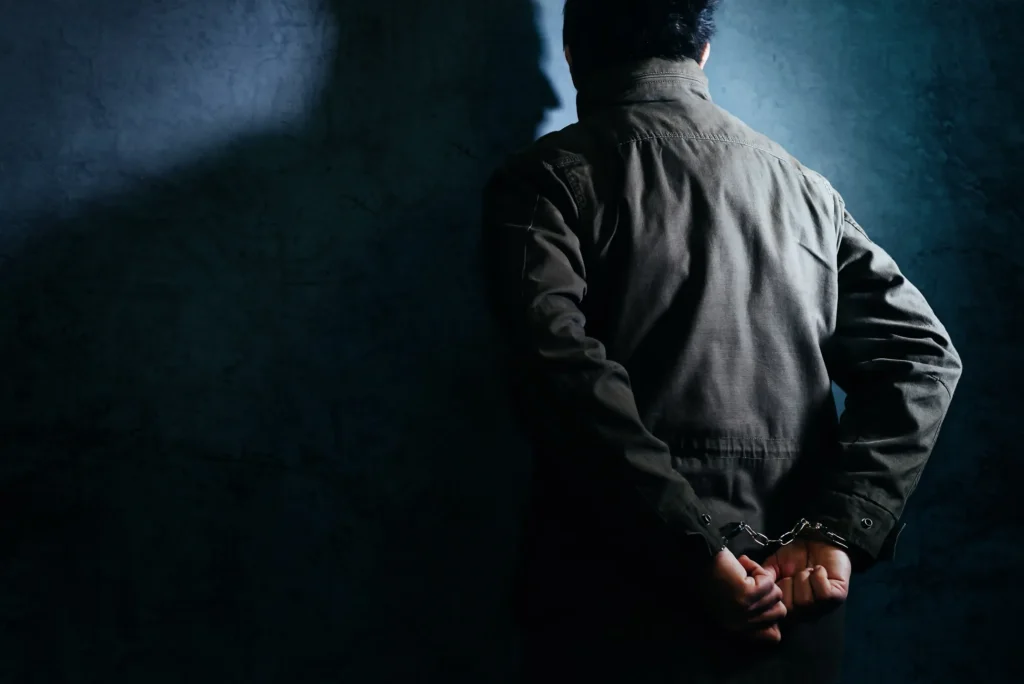 If a defendant has a history of past domestic violence incidents, it can influence the prosecutor’s decision to continue with the case, even if the victim refuses to testify. This is because past convictions show a pattern of behavior that needs to be addressed seriously.
When a defendant has multiple past domestic violence offenses, the charges can become more serious, leading to stricter legal consequences. This makes it more likely for prosecutors to push forward with the case, even without the victim’s testimony.
Prosecutors may treat cases involving defendants with a history of domestic violence charges with more seriousness because such defendants are considered higher risk due to their established pattern of behavior. Past domestic violence incidents indicate a likelihood of recurring violence, which can pose a significant threat to the victim and the community. This history suggests a persistent disregard for the law and the well-being of others, prompting prosecutors to take a more assertive approach to pursuing justice. By treating these cases with increased seriousness, prosecutors aim to prevent further harm, hold the accused accountable,
Impact on the Defendant’s Case
Without the victim’s testimony, prosecutors face challenges that can affect the defendant’s case. Proving the allegations without the victim’s direct account becomes harder, often giving an advantage to the defense. Defense attorneys can use the absence of victim testimony to question the strength of the prosecution’s case, arguing that the evidence is not enough for a conviction. This can sometimes result in a not-guilty verdict without the case even going to a jury. By questioning the victim’s initial statements, defense attorneys can weaken the prosecution’s case.
The defense might suggest that the victim’s refusal to testify shows uncertainty about the allegations. This can create doubt for jurors and judges, possibly leading to an acquittal. The absence of the victim can thus be both a challenge and an opportunity for the defendant.
Importance of Legal Representation
In violent crime cases, having a criminal defense lawyer is important for both victims and defendants. Legal representation ensures that the rights of everyone involved are protected throughout the legal process.
For victims, options like remote testimony can be considered to make sure their voices are heard while reducing stress and trauma. For defendants, having a criminal defense law firm like Pelley Law Office can make a big difference, offering guidance and strong defense strategies.
At Pelley Law Office, we protect our clients’ constitutional rights, helping them through the legal system effectively. Our team brings a lot of experience to each case, ensuring that our clients get the best possible defense.
How Pelley Law Office Can Help You
Pelley Law Office has been a leader in criminal defense since 1974, with a focus on protecting the rights of those accused of crimes, especially in complex violence cases where the victim refuses to testify. We understand the unique challenges these situations present and are committed to providing a strong defense tailored to your specific circumstances.
Our team offers free initial consultations to thoroughly assess your situation and provide personalized legal guidance. We understand that the absence of a victim’s testimony can be both a challenge and an opportunity. Our experienced attorneys are adept at handling the details of domestic violence cases, ensuring that your rights are fiercely protected at every stage of the legal process.
We bring special skills and a wealth of experience to your defense strategy. This unique blend of experience allows us to uncover important evidence, challenge the prosecution’s case, and explore every avenue to negate allegations against you. We focus on gathering comprehensive evidence, such as police reports, witness statements, and digital communications, to build a compelling defense that does not solely rely on the victim’s cooperation.
Our proven track record of achieving favorable results for our clients demonstrates our effectiveness in handling serious cases. Whether through skillful negotiation, strategic defense, or relentless advocacy, Pelley Law Office is committed to securing the best possible outcome for you. We are here to help you through the legal system with confidence and assurance.
Don’t face these challenges alone. Call Pelley Law Office today at 972-608-0335 for a consultation. Let our commitment to justice work for you. We’re ready to stand by your side and fight for your rights.
Additional Resources
- Can Mental Health Issues Be Used as a Defense in Violent Crime Cases?
- What Rights Do I Have If I’m Arrested for a Violent Crime?
- Can you walk away from the police when they question you?
- Threats you make online can have real-world consequences
- How Can a Criminal Defense Attorney Help Me Avoid Jail Time?
Schedule Your Free Consultation Right Now
Quit wasting time and making your situation worse by hoping your legal problems will go away on their own. They will not. Pick up your
phone and call us right now at 214-560-1919, or email us. Our experienced attorneys are ready to explain your options at a free
consultation. Why would you wait?
Locations
A Free Consultation
Fields Marked With An * Are Required

© Copyright 2026 Pelley Law Office, L.L.P.. All Rights Reserved.
