What Debts Can Be Discharged Through Bankruptcy in Texas?

Declaring bankruptcy is often a necessary step toward reclaiming financial stability. In Texas, certain debts can be discharged through bankruptcy. At Pelley Law Office, we help guide you through the bankruptcy process, ensuring you know which debts can be wiped away and how you can emerge stronger on the other side. Our attorneys are here to provide personalized support and strategic advice tailored to your unique financial situation, helping you take control and start anew.
Don’t let debt dictate your future. Take the first step toward financial freedom by contacting the Pelley Law Office today. Our team is ready to assist you with guidance and compassionate support. Call us now at 972-608-0335 to schedule your free consultation and discover how we can help you navigate the path to a fresh start.
Understanding the Basics of Bankruptcy
Bankruptcy is a legal proceeding designed to help individuals and businesses overwhelmed by debt regain financial stability. By filing for bankruptcy, debtors can either eliminate or restructure their debts under the protection of the bankruptcy court. This process can provide a fresh start for those unable to meet their financial obligations due to unforeseen circumstances such as job loss, medical emergencies, or economic downturns.
There are different types of bankruptcy, with Chapter 7 and Chapter 13 being the most common for individuals. Chapter 7, often referred to as “straight bankruptcy,” involves the liquidation of non-exempt assets to pay off creditors, allowing for the discharge of most unsecured debts like credit card debt and medical bills. It offers a quick resolution, typically within a few months.
Chapter 13, on the other hand, is known as the “wage earner’s plan.” It allows individuals with a regular income to develop a repayment plan to pay back all or a portion of their debts over three to five years. This type of bankruptcy enables debtors to keep their property, such as a home or car while catching up on missed payments through a structured plan.
Choosing between Chapter 7 and Chapter 13 depends on various factors, including income level, types of debts, and personal financial goals. Each option offers unique advantages and considerations to consider before making any decisions on what to do next.
How Bankruptcy Relief Works and Its Consequences
When you file bankruptcy, you initiate a legal proceeding that can relieve you of certain debts, providing a fresh start. This process involves submitting a bankruptcy petition to the bankruptcy court, detailing your financial situation, including assets, liabilities, income, and expenses. The court then assesses your eligibility for debt relief under Chapter 7 or Chapter 13 bankruptcy.
Consequences of Bankruptcy
While bankruptcy provides significant relief from overwhelming debt, it also has consequences that need consideration:
- Credit Impact: Bankruptcy can have a substantial negative impact on your credit report. Chapter 7 bankruptcy remains on your credit report for up to ten years, while Chapter 13 stays for seven years. This can affect your ability to obtain new credit or loans in the future.
- Loss of Property: In Chapter 7, non-exempt assets may be sold to pay creditors, which could result in the loss of certain possessions. However, Texas personal property exemptions may protect essential items.
- Public Record: Bankruptcy filings are public records, meaning your financial situation becomes accessible to the public, which can affect your privacy.
- Limited Discharge: Not all debts can be discharged. Certain obligations, like child support, alimony, and student loans, typically remain, requiring continued payments.
- Financial Rehabilitation: Post-bankruptcy, you’ll need to focus on rebuilding your credit through responsible financial management, such as using a secured credit card and making timely payments.
Types of Debts Dischargeable in Chapter 7 Bankruptcy
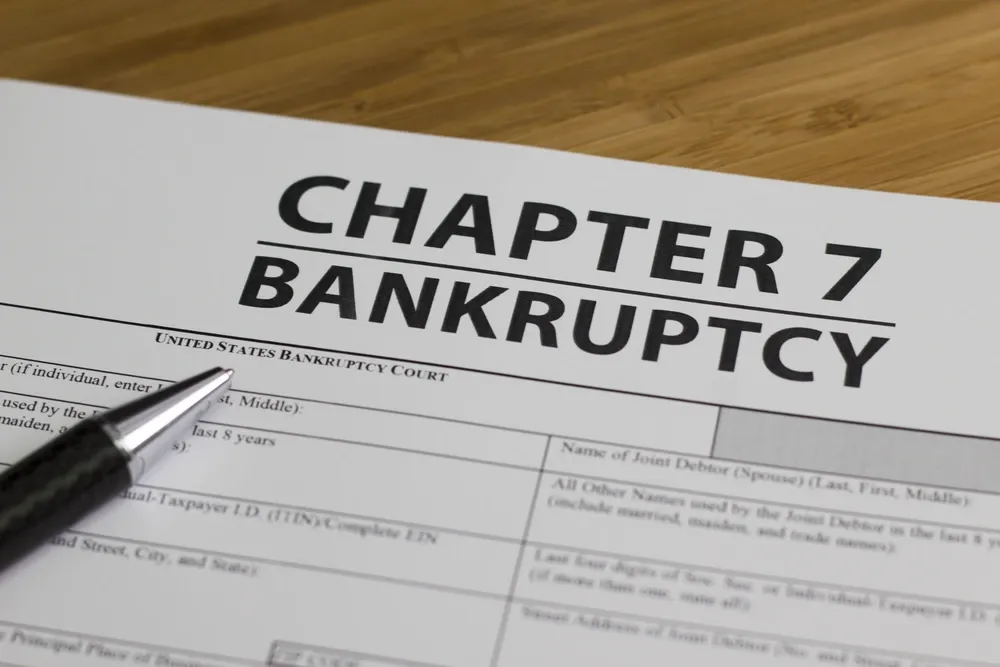 Chapter 7 bankruptcy can discharge most unsecured debts, which are obligations not backed by collateral. Unsecured debts that can be discharged include:
- Credit card debt
- Medical bills
- Personal loans
- Court judgments related to unpaid debts under the bankruptcy code
Filing for Chapter 7 releases you from personal liability for most debts, halting creditor collection actions and enabling you to rebuild your financial life. This fresh start is particularly beneficial for those who have faced unforeseen financial hardships like significant medical expenses or job loss.
Not all debts are dischargeable. While Chapter 7 eliminates most unsecured debts, it does not typically discharge obligations like child support, spousal support, certain taxes, and student loans.
Secured Debts and Chapter 7 Bankruptcy
Secured debts are backed by collateral such as a car or a home. When you file for Chapter 7 bankruptcy, these secured debts are treated differently. While the bankruptcy discharge can eliminate your personal liability for the debt, the creditor retains the right to the collateral. This means that if you have car loans or a mortgage, the lender can still repossess the vehicle or foreclose on the home if payments are not made.
You can deal with secured debts in Chapter 7 by surrendering the property, stopping payments, and avoiding any deficiency balance. If you prefer to keep the collateral, you may need to catch up on missed payments or reaffirm the debt through a reaffirmation agreement. This can be a strategic decision based on your financial situation and the value of the property.
Non-Dischargeable Debts in Chapter 7 Bankruptcy
While Chapter 7 bankruptcy offers significant relief from many types of debt, some obligations cannot be discharged. Non-dischargeable debts include obligations such as child support, alimony, certain tax debts, and student loans. These debts must still be paid even after a bankruptcy discharge, ensuring critical responsibilities are maintained.
Discharging student loans requires proving undue hardship, often involving a separate legal proceeding. This challenging process typically requires demonstrating that repaying the loan would impose an excessive financial burden on you and your dependents. Knowing these limitations can help set realistic expectations when considering Chapter 7 bankruptcy.
Understanding Chapter 13 Bankruptcy and Debt Repayment Plans
 Chapter 13 bankruptcy, also known as the wage earner’s plan, is designed for individuals who have a regular income and wish to manage their debt through a structured repayment plan. Unlike Chapter 7, Chapter 13 allows you to keep your property while repaying your debts over three to five years.
Filing for Chapter 13 involves the court approving a repayment plan that categorizes your debts into priority, secured, and unsecured for systematic repayment. This plan protects the interests of all parties and ensures you can manage your financial obligations without losing valuable assets. Benefits of Chapter 13 include:
- Debt Restructuring: Allows you to reorganize your debt into manageable payments over three to five years, providing relief from immediate financial pressure.
- Asset Retention: Enables you to keep valuable property, such as your home and car, while you catch up on missed payments.
- Interest Rate Reduction: Offers the possibility to reduce interest rates on certain debts, making repayment more affordable.
- Cramdown Option: In certain cases, you may reduce the principal balance of secured debts to the current market value of the collateral.
- Protection from Creditors: The automatic stay prevents creditors from pursuing collection actions, including foreclosures and repossessions, during the bankruptcy process.
- Co-Debtor Stay: Protects co-signers on consumer debts from creditor actions while you are under the repayment plan.
- Flexibility: Provides the ability to modify your repayment plan if your financial situation changes, ensuring you can remain compliant with the plan.
- Credit Improvement Potential: Completing the repayment plan demonstrates financial responsibility, potentially improving your credit score over time.
- Discharge of Remaining Unsecured Debts: At the end of the repayment period, remaining unsecured debts may be discharged, relieving you of personal liability for these obligations.
If you struggle to adhere to your repayment plan, you can seek modifications to avoid dismissal of your bankruptcy case.
Types of Debts Dischargeable in Chapter 13 Bankruptcy
At the end of a Chapter 13 bankruptcy repayment plan, many types of unsecured debts, such as credit card debts and medical debts, can be discharged. This means that after completing the payment plan, you will no longer be legally required to pay these debts, providing significant financial relief.
In certain circumstances, if you are unable to complete all the payments under the Chapter 13 plan, you may still be eligible for a ‘hardship discharge.’ This type of discharge is granted when you can prove that circumstances beyond your control prevent you from completing the repayment plan, offering a safety net for those facing unexpected financial difficulties.
Non-Dischargeable Debts in Chapter 13 Bankruptcy
Similar to Chapter 7, certain debts remain non-dischargeable in Chapter 13 bankruptcy. Obligations such as child support, spousal support, and certain tax debts must still be paid. Additionally, debts resulting from criminal restitution orders or personal injury due to drunk driving are not discharged.
Federal student loans also typically remain non-dischargeable unless undue hardship is proven. These are the similarities in non-dischargeable debts between Chapter 7 and Chapter 13.
Texas Bankruptcy Exemptions
 Texas bankruptcy exemptions allow filers to retain essential property while addressing their debt. These exemptions are not automatic and must be specifically requested in the bankruptcy paperwork. Texas law permits the exemption of the entire value of one vehicle per licensed household member, which can be a significant relief for many families.
Personal property exemptions in Texas are capped at $50,000 for individuals and $100,000 for families. This includes household items like furniture, clothing, and some farming equipment, helping to ensure that basic living standards are maintained during and after the bankruptcy process. Tax-exempt retirement accounts, including various types of IRAs, are generally protected.
Texas law allows individuals to choose between state and federal bankruptcy exemptions, but not both. This choice affects the amount and type of property you can retain, so consulting with a bankruptcy attorney from the Pelley Law Office will help you determine which exemptions suit your needs best under federal bankruptcy law.
Please be aware that bankruptcy laws, regulations, and dollar amounts mentioned are subject to change. Legal interpretations and practices can vary, and it’s essential to consult with a legal professional or bankruptcy attorney for the most current and personalized advice. This is intended for informational purposes only and should not be considered legal advice. For guidance tailored to your specific financial situation, please seek professional legal counsel.
The Role of the Bankruptcy Trustee
A bankruptcy trustee is a court-appointed official responsible for overseeing the administration of a bankruptcy case. The trustee ensures that the bankruptcy process adheres to legal standards and that the interests of creditors and debtors are fairly represented. In both Chapter 7 and Chapter 13 bankruptcies, the trustee manages various tasks, such as reviewing the debtor’s financial documents, liquidating non-exempt assets, and distributing funds to creditors. This ensures the bankruptcy process is fair and creditors receive as much repayment as possible from the debtor’s assets.
The assignment of a bankruptcy trustee is determined by the bankruptcy court. Trustees are selected from a panel of qualified individuals, often attorneys or accountants, who have been pre-approved to handle bankruptcy cases. The court assigns a trustee based on availability and the specific requirements of the case, ensuring an impartial and efficient administration of the bankruptcy proceedings.
In Chapter 13 bankruptcy, the trustee collects payments from debtors and distributes those funds to creditors according to the approved repayment plan. This involves monitoring the debtor’s adherence to the plan and making necessary adjustments to ensure timely payments. Debtors cannot choose their trustee; the court appoints one based on availability, ensuring unbiased administration of the bankruptcy case.
The trustee’s oversight provides a layer of accountability and transparency. By ensuring all legal obligations are met, the trustee facilitates a smoother bankruptcy process for both debtors and creditors.
How Filing Bankruptcy Immediately Stops Debt Collection Harassment
An immediate and significant benefit of filing for bankruptcy is the automatic stay. This legal provision halts all creditor collection efforts as soon as the bankruptcy petition is filed. The automatic stay halts incessant calls, letters, and other forms of harassment from debt collectors, providing immediate relief to debtors.
This relief extends to stopping foreclosure and repossession actions, allowing you to keep your home and other essential property while your bankruptcy case is being processed. The automatic stay ensures that all creditor communication must go through your bankruptcy attorney, giving you a respite from the stress and anxiety of dealing with creditors directly.
If creditors violate the automatic stay, you can seek sanctions against them in bankruptcy court. This enforcement mechanism highlights the effectiveness of the automatic stay, offering debtors protection and making bankruptcy a powerful means to regain financial control.
What Happens to Your Credit Report After Bankruptcy?
Filing for bankruptcy has a significant impact on your credit report. A Chapter 13 bankruptcy notation remains on your credit report for seven years from the filing date. This negative information can affect your ability to obtain new credit, but it also signals to future creditors that you have taken steps to address your financial issues.
Chapter 7 bankruptcy, on the other hand, can remain on your credit report for up to ten years. Despite the longer duration, many find that their credit scores begin to improve once the bankruptcy is discharged, as they are no longer burdened by unmanageable debts. Make sure all debts are marked as ‘included in bankruptcy’ on your credit report to avoid misunderstandings with creditors.
Rebuilding your credit after bankruptcy involves responsible financial management, such as obtaining a secured credit card and making timely payments. Monitoring your credit report for errors and disputing any inaccuracies with the credit reporting agency can also help improve your credit score over time.
How the Pelley Law Office Can Help You
At Pelley Law Office, we have extensive experience with Chapter 7 and Chapter 13 bankruptcy cases. We provide clear guidance to individuals dealing with financial issues like foreclosure or repossession, ensuring they know all their options. Our bankruptcy attorneys work hard to help clients through the bankruptcy process, aiming to lower vehicle payments and eliminate unsecured debts.
Simple Legal Advice
We understand that every client’s financial situation is different, so we offer legal advice tailored to your specific needs. Our attorneys take the time to listen and understand your circumstances, providing solutions that match your goals. Whether it’s creating a repayment plan or advising on property exemptions, we make sure you feel informed and confident in your choices.
Schedule Your Free Consultation Today
Don’t let financial stress take over. Start your journey to a better financial future by scheduling a free consultation with the Pelley Law Office by calling 972-608-0335. Our dedicated team is ready to help you with guidance and caring support, assisting you in your path to financial recovery.
Schedule Your Free Consultation Right Now
Quit wasting time and making your situation worse by hoping your legal problems will go away on their own. They will not. Pick up your
phone and call us right now at 214-560-1919, or email us. Our experienced attorneys are ready to explain your options at a free
consultation. Why would you wait?
Locations
A Free Consultation
Fields Marked With An * Are Required

© Copyright 2026 Pelley Law Office, L.L.P.. All Rights Reserved.
