How Long Does the Bankruptcy Process Take in Plano, TX?
 Filing for bankruptcy in Plano, TX, might seem overwhelming, but knowing the timeline can help put your mind at ease. If you’re looking at Chapter 7 bankruptcy, expect it to take around four to six months from beginning to end. In contrast, Chapter 13 bankruptcy comes with a repayment plan that usually lasts three to five years. The time frame can vary based on things like your financial details and how well you work with the bankruptcy trustee.
If you’re feeling lost about the bankruptcy process or need advice on which chapter to choose, Pelley Law Office is here to help. Our skilled bankruptcy lawyers are ready to offer you personalized legal advice and support. Contact us today at 972-608-0335 for a free initial consultation and start your journey toward a better financial future.
Understanding the Bankruptcy Process in Plano, TX
The bankruptcy process helps people deal with financial problems and offers a new beginning. It starts with a meeting with a bankruptcy lawyer to look at your debts and assets, followed by collecting the necessary paperwork to file for bankruptcy.
In Plano, Texas, you can choose to file for Chapter 7, Chapter 11, or Chapter 13 bankruptcy based on your debt situation. The Texas bankruptcy court handles these cases, and Texas bankruptcy exemptions can help protect some of your belongings from being sold off.
Meeting with a Bankruptcy Lawyer
Talking to a bankruptcy lawyer is important for understanding your financial situation and exploring your options. Because bankruptcy forms and legal details can be complicated, having a lawyer can improve your chances of a successful outcome.
Prepare for this meeting by bringing documents like bank statements, tax returns, and a list of your debts and assets. This preparation will help the lawyer understand your financial situation better.
Collecting Necessary Documents
Gathering the right documents is an important step in filing for bankruptcy. Key documents include your Social Security card, a valid photo ID, tax returns for the past two years, and bank statements from the past six months. You’ll also need a list of all your creditors with their addresses. A checklist can help you organize these items, making sure you meet all filing needs.
Completing a Credit Counseling Course
 Before you can file for bankruptcy, you must finish a credit counseling course. This course needs to be completed within 180 days before filing. After completing the course, you’ll receive a certificate that must be filed with the court. This course not only meets a legal requirement but also helps you learn how to manage your finances better in the future.
Filing the Bankruptcy Petition
Filing the bankruptcy petition officially starts the bankruptcy process. It involves writing the petition and accurately filling out the required court forms. You’ll need to provide an original and a duplicate copy of these forms, along with a list of all your creditors. Once filed, the petition stops all creditor actions, giving you immediate relief.
Timeline for Chapter 7 Bankruptcy in Plano, TX
The Chapter 7 bankruptcy process usually takes a few months. Known as “straight bankruptcy,” Chapter 7 is designed for individuals with limited income who cannot repay all their debts. It involves liquidating nonexempt assets to pay off creditors, and remaining unsecured debts are typically discharged. The time it takes can depend on how complicated your financial situation is, the type of bankruptcy you choose, how cooperative creditors are, and how busy the court is.
Filing and Automatic Stay
Once you file your bankruptcy petition, an automatic stay kicks in, stopping all creditor actions right away. This means collection efforts, wage garnishments, and lawsuits are put on hold, giving you much-needed relief. However, some obligations like criminal fines and child support arrears are not affected by the automatic stay.
Appointment of Bankruptcy Trustee
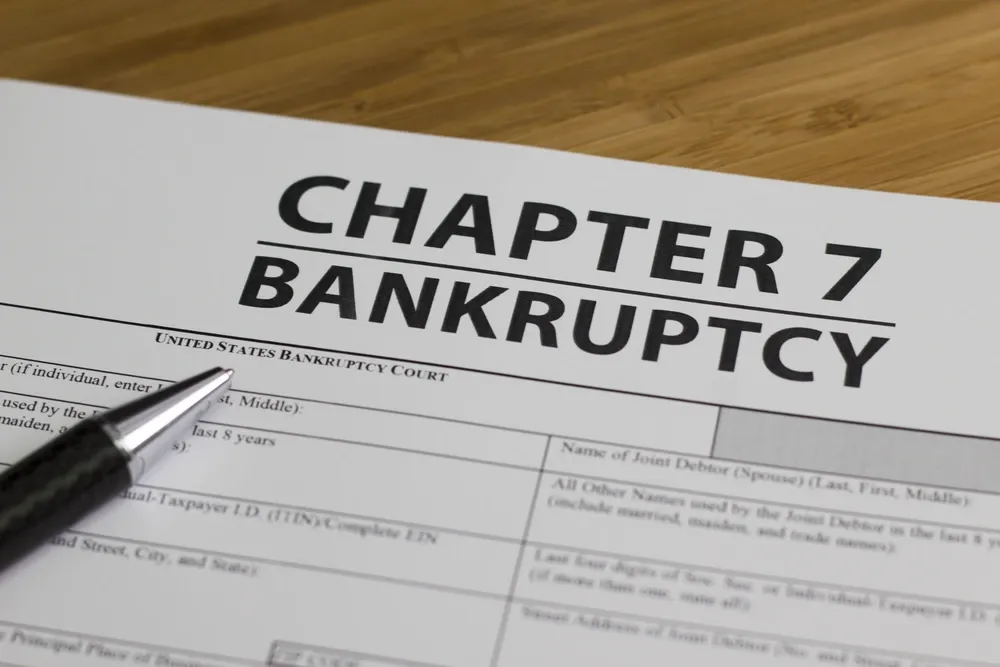 After you file, a bankruptcy trustee is assigned to your case. The trustee’s job is to look over your assets, make sure bankruptcy laws are followed, and protect creditor interests. Most Chapter 7 cases are completed in four to six months if there are no issues.
341 Meeting of Creditors
Within 21 to 45 days after filing, you’ll attend the 341 meeting of creditors. This required meeting means you need to bring a valid photo ID and proof of your Social Security number. The meeting usually lasts 5 to 10 minutes, where you’ll talk about your income, assets, debts, and expenses.
Creditors rarely show up at these meetings; the trustee will check the information in your bankruptcy petition. If any problems come up, or if a plan can’t be made, a judge may step in to create one.
Discharge of Debts
Most Chapter 7 cases wrap up within four to six months, with debts being cleared once the process is done. Providing honest information is important to ensure your debts are discharged.
Chapter 11 Bankruptcy in Plano, TX: A Brief Overview
Chapter 11 bankruptcy, also known as “reorganization bankruptcy,” is tailored for businesses looking to restructure their debts while continuing operations. This option allows businesses to reorganize their finances and create a plan to repay creditors over time while maintaining control of their operations.
The Chapter 11 Timeline
- Filing the Petition: Initiates the process with an automatic stay, halting all collection activities.
- Debtor in Possession: The business continues operations, managing assets and affairs.
- Developing a Reorganization Plan: Outlines debt repayment, restructuring strategies, and operational changes. This plan requires approval from creditors and the bankruptcy court.
- Plan Confirmation: Once approved, the business implements the plan, working towards financial recovery.
Benefits and Challenges
Chapter 11 allows businesses to remain operational, negotiate better terms with creditors, and avoid liquidation. However, it can be complex, time-consuming, and costly, requiring careful navigation of legal requirements.
Timeline for Chapter 13 Bankruptcy in Plano, TX
Chapter 13 bankruptcy involves a longer timeline compared to Chapter 7, typically taking three to five years to complete. This type of bankruptcy allows you to repay a portion of your debts over time, with debts discharged at the end of the repayment period.
Preparing and Filing the Repayment Plan
Shortly after filing your bankruptcy petition, you must provide the court with a proposed repayment plan. Submitting required documents promptly and cooperating with the bankruptcy trustee can help avoid delays. If you have multiple income sources or intricate asset structures, the process may take longer due to the need for comprehensive documentation.
Confirmation Hearing
The confirmation hearing is a critical step in the Chapter 13 bankruptcy process. During this hearing, the court reviews your repayment plan, and the trustee or creditors may raise objections. The hearing ensures that the plan meets all legal requirements and is feasible for you to complete.
Making Payments
Monthly payments begin approximately 30 days after filing your Chapter 13 bankruptcy petition. If the repayment plan becomes unmanageable, you can convert to a different plan or switch to Chapter 7 bankruptcy. This plan aims to help you repay a portion of your debts gradually.
Completion and Discharge
A discharge is granted only after all required payments are made according to the repayment plan. This final step marks the successful completion of your Chapter 13 bankruptcy, allowing you to move forward with a clean slate.
Factors Affecting How Long Bankruptcy Takes in Plano, TX
The time it takes to complete a bankruptcy case can be affected by how complicated your financial situation is, how well you work with the trustee and court, and any objections from creditors.
Complicated Financial Situation
If your financial situation is complicated, it might take longer to finish the bankruptcy process. Having many creditors, different types of debts, or changing income can make it harder to assess your finances. Dealing with these issues often requires more paperwork and discussions, which can extend the time from filing to discharge.
Working with the Trustee and Court
Working well with the trustee and court can help avoid delays. At the 341 meeting of creditors, you need to provide accurate information and answer questions from the trustee and creditors. Quickly submitting all necessary documents can make the process smoother.
Creditor Objections
Creditors might object if they suspect fraud or hidden assets. If the trustee disagrees with the creditors, they will try to resolve the issue informally first. If that doesn’t work, they may file an objection with the court. These objections can slow down the process, requiring more hearings and resolutions.
Post-Bankruptcy Steps and Considerations
Post-bankruptcy, rebuilding your financial health is crucial. Steps include rebuilding credit, monitoring credit reports, and engaging in financial management education.
Rebuilding Credit
A new credit account, like a secured credit card, can help improve your credit score post-bankruptcy. Timely payments on debts and a credit-builder loan can also boost your credit score.
Regularly checking and disputing inaccuracies in your credit reports will ensure your credit profile is accurate. Rebuilding credit is crucial for regaining financial confidence and obtaining favorable loan terms in the future.
Monitoring Credit Reports
Post-bankruptcy, monitoring your credit reports ensures all discharged debts are accurately reported. Regular checks help identify inaccuracies or lingering debts that should not be present post-bankruptcy.
Free annual reports from major credit bureaus, credit monitoring services, or financial institutions can aid in this process. Dispute any credit report errors promptly to ensure accuracy.
Financial Management Education
Financial management courses can provide skills to avoid future financial pitfalls. These courses equip individuals with the knowledge to prevent future financial difficulties and encourage responsible budgeting and spending habits. This education is vital for recovering from bankruptcy and avoiding future financial issues.
How Pelley Law Office Can Help You
At Pelley Law Office, we know that dealing with the bankruptcy process can feel overwhelming and stressful. Our team of experienced bankruptcy attorneys is here to help you through each step, making sure you understand and feel confident about your choices.
We help you gather all the necessary documents, like bank statements, tax returns, and a list of your debts and assets, to make the filing process smooth. Our team provides clear guidance throughout the bankruptcy filing, taking the stress out of handling paperwork and legal details. We also represent you at the First Meeting of Creditors to ensure your rights are protected and your interests are taken care of.
For those thinking about Chapter 13 bankruptcy, we create repayment plans that fit your financial situation, helping you manage debt payments over time. We aim to offer services that meet your specific financial needs, giving you the tools to secure a better financial future.
At Pelley Law Office, we focus on giving our clients the information and support they need, making the bankruptcy process as easy as possible. Don’t let financial stress weigh you down any longer. Contact us today at 972-608-0335 for a free initial consultation and take the first step toward improving your financial well-being and peace of mind.
Locations
A Free Consultation
Fields Marked With An * Are Required

© Copyright 2026 Pelley Law Office, L.L.P.. All Rights Reserved.
