What Happens to Cosigners if I File for Bankruptcy in Plano?

If you are a cosigner on a loan, you become legally responsible for the entire loan. Even though you and a cosigner may agree to divide the debt, both cosigners are equally responsible for the full amount. If you’re filing for bankruptcy on a cosigned property, a Plano bankruptcy attorney at Pelley Law Office can evaluate your case and guide you through the process.
Call our office at 972-608-0335 to set up a free consultation with our skilled attorneys at Pelley Law Office today.
Is a Cosigner Liable for Paying off any Debts After I File for Bankruptcy in Plano?

If you file for bankruptcy in Plano, you are effectively eliminating your responsibility to pay off a debt. However, bankruptcy does not change a cosigner’s liability for the debt. In some cases, a creditor may come after a cosigner to repay a debt. Whether this happens depends on whether the debtor filed for Chapter 7 or Chapter 13 bankruptcy.
What Happens to a Cosigner if I File for Chapter 7 Bankruptcy?
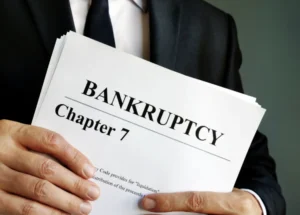 Chapter 7 bankruptcy involves liquidating a debtor’s assets to pay off a creditor. Filing for Chapter 7 bankruptcy does not provide your cosigners with any protection from creditors. Your debt discharge removes your liability to a debt, which means you can expect to receive a stay of all collection activities.
This stay does not affect a cosigner’s responsibilities, which means they may have to deal with creditor harassment for the remainder of the debt.
What Happens to a Cosigner if I File for Chapter 13 Bankruptcy?
In Chapter 13 bankruptcy, a court-approved repayment plan allows individuals to pay their debts over time. This type of bankruptcy offers a bit more protection for cosigners, including a stay that protects both you and a cosigner.
It’s still possible for cosigners to be held liable for a debt if one party files for Chapter 13 bankruptcy. A creditor may still pursue a cosigner if the debtor is considering debt consolidation instead of repaying the debt in full or if the creditor would suffer irreparable harm from the stay. They may also ask the court to lift the automatic stay if the cosigner received a benefit from the creditor’s agreement.
Can a Cosigner Filing for Bankruptcy Impact the Other Cosigner’s Credit in Plano?
In Texas, the bankruptcy process won’t just impact the debtor who’s filing; it also falls on any cosigners for the debt. Because of this, bankruptcy may affect all cosigners’ credit scores. The bankruptcy itself doesn’t impact a cosigner’s credit score. Their credit should remain unaffected if they continue making full, on-time payments.
Connect With a Plano Bankruptcy Attorney Today
Filing for bankruptcy can be a daunting prospect, especially if it has the chance to impact more than just yourself. If you’re considering moving forward with debt relief, it’s wise to reach out to a bankruptcy attorney. If you’re ready to discuss your case in more detail, contact our team at Pelley Law Office.
Schedule Your Free Consultation Right Now
Quit wasting time and making your situation worse by hoping your legal problems will go away on their own. They will not. Pick up your
phone and call us right now at 214-560-1919, or email us. Our experienced attorneys are ready to explain your options at a free
consultation. Why would you wait?
Locations
A Free Consultation
Fields Marked With An * Are Required

© Copyright 2026 Pelley Law Office, L.L.P.. All Rights Reserved.
